
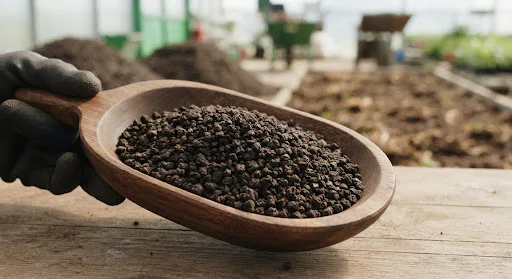
Solid Digestate
The solid fraction obtained by separation. Organic matter, moisture and nutrient content vary with the feedstock and processing method.
Explore →Biogas production and the agricultural use of digestate are complementary stages in managing organic resources.
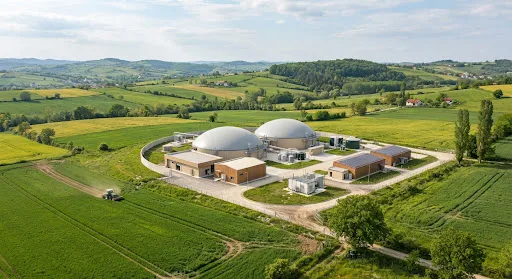
Explore the cycle connecting organic resources, energy, nutrients and soil.
Separating organic materials from crop and livestock production.
Controlled biological conversion in an oxygen-free environment.
Using biogas to generate electricity and heat.
Separating, analysing and managing the remaining material.
Returning suitable material to the soil according to analysis and an application plan.
Biogas is a mixture of gases formed when microorganisms break down organic material without oxygen. Alongside the energy-bearing gas, the process leaves a material called digestate.
The solid fraction obtained by separation. Organic matter, moisture and nutrient content vary with the feedstock and processing method.
Explore →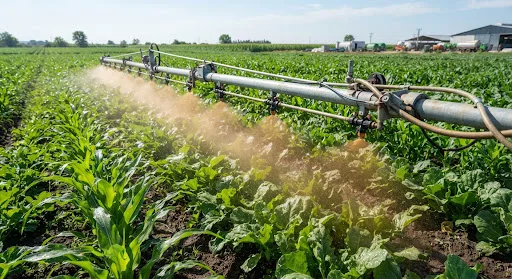
Storing, transporting and using the liquid fraction requires analysis and suitable equipment.
Explore →Contact us for information about products and agricultural applications.
Explore →Talk to us by phone.
Explore →Why calcareous soil and high pH are not the same measurement, and how high pH changes iron, zinc and phosphorus availability.
How to read NPK, micronutrients and the guaranteed analysis, and why the percentage is not the field rate.
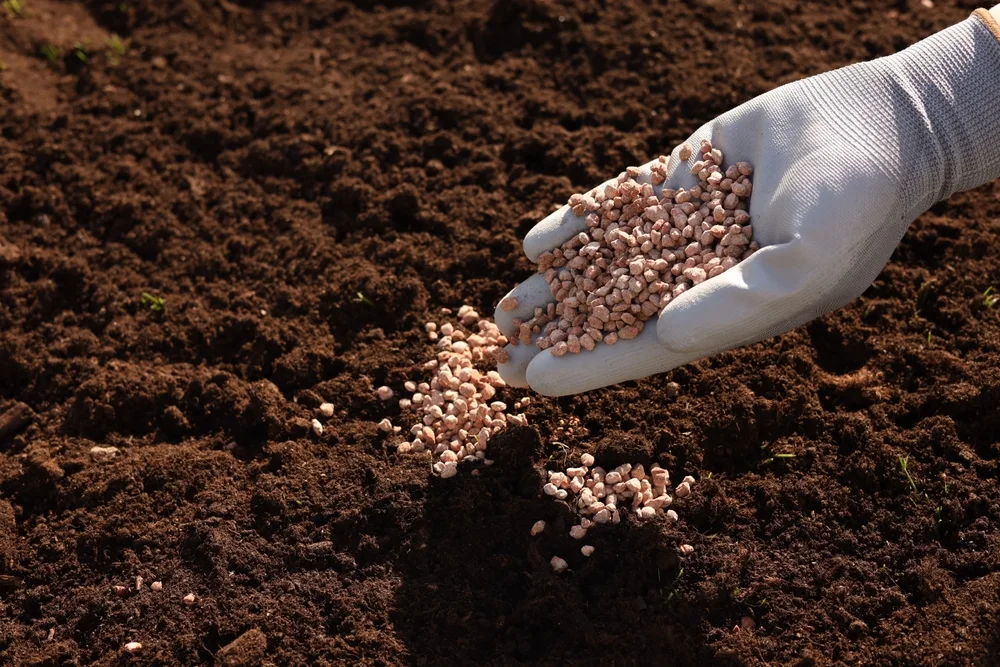
How urea, ammonium and nitrate behave differently in soil, and why one large dose is not the same as splitting it.
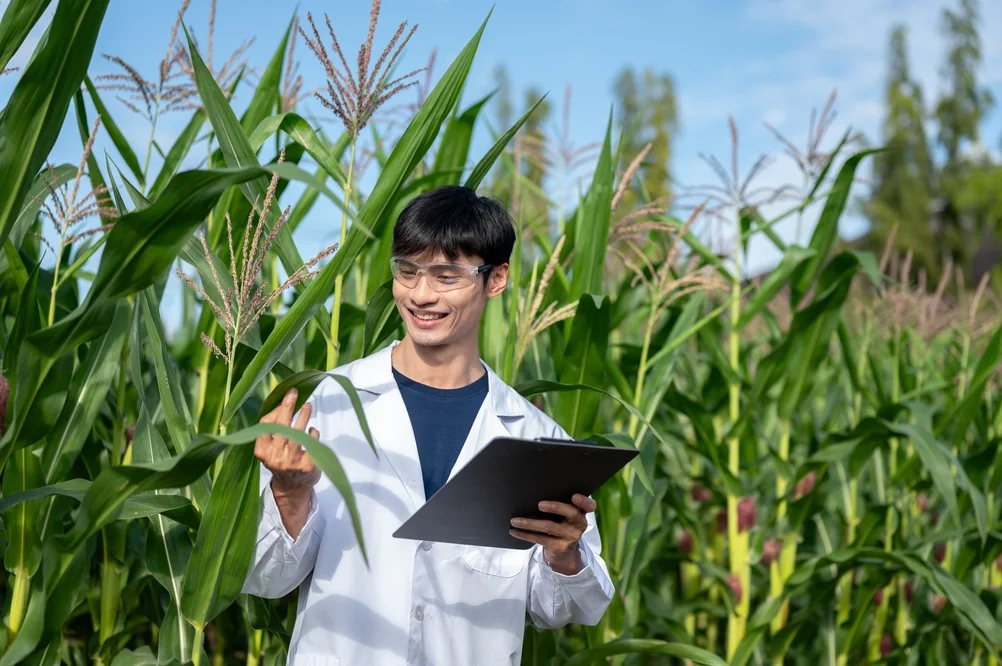
What a leaf analysis shows that a soil analysis does not, and why sampling time and leaf choice change the reading.
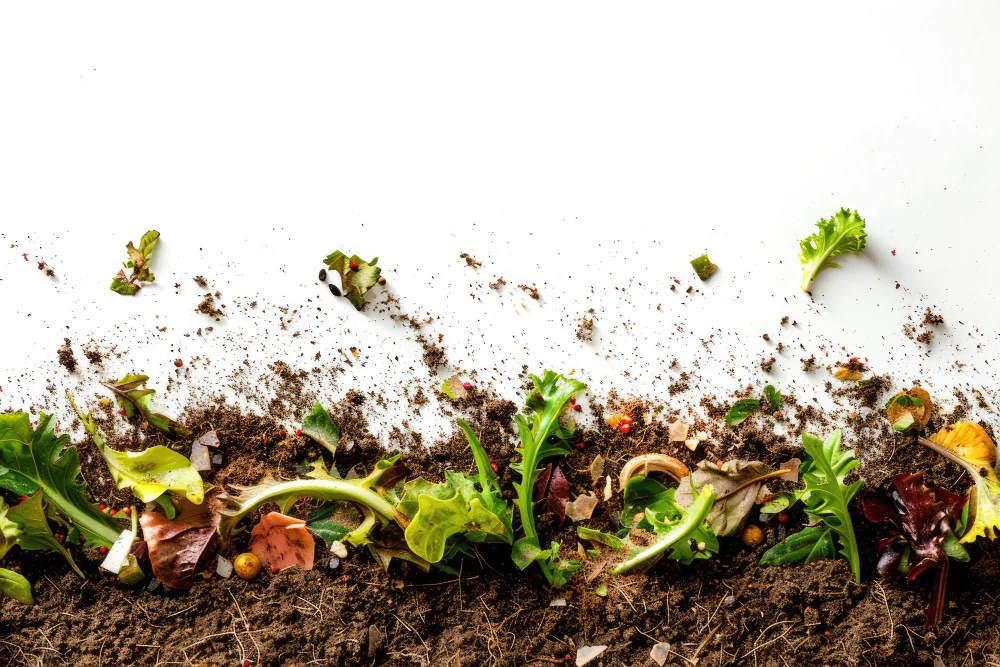
How to judge compost maturity before field use: temperature, smell, salinity and the analysis, not color alone.
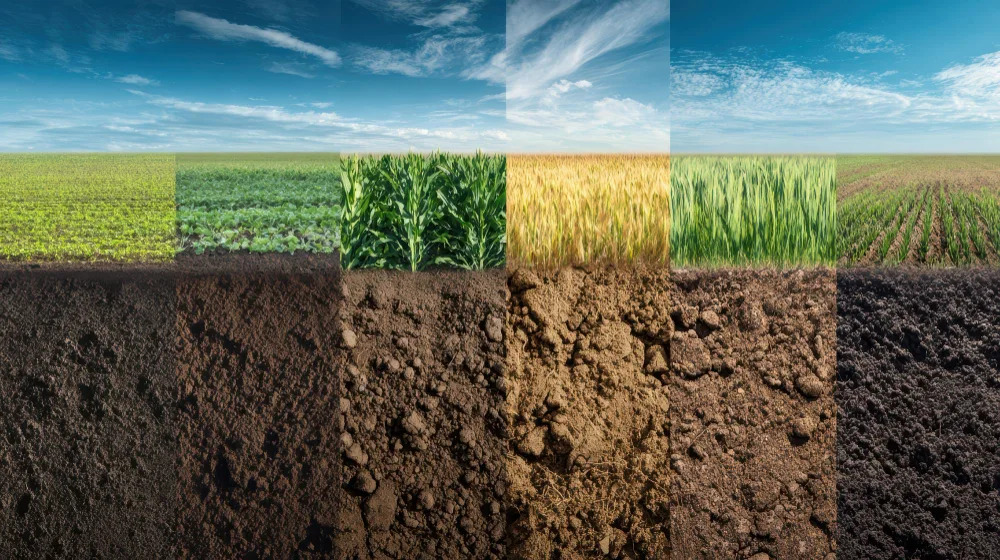
Why phosphorus becomes bound in soil and why raising the rate without a soil analysis is not the management.